
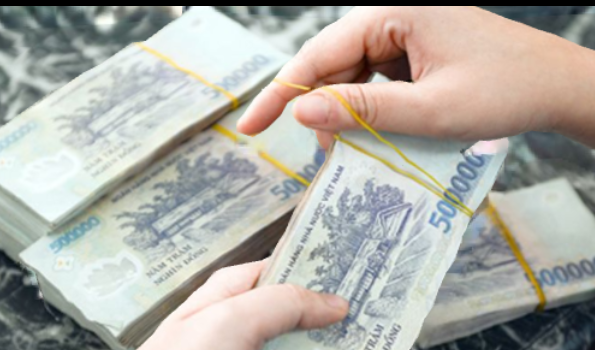
In Vietnam, the days leading up to Tết Nguyên Đán (Lunar New Year) are a time of preparation, reflection, and renewal. One deeply rooted tradition is the importance of paying off debts before the New Year. This practice isn’t just about financial responsibility—it’s tied to beliefs in luck, honour, and starting fresh.
Here are some Vietnamese proverbs that highlight this cultural value:
– Đầu năm mua muối, cuối năm trả nợ. “At the start of the year, buy salt; at the end of the year, pay off debts.” It’s a reminder to finish the year debt-free, to welcome good luck.
– Nợ như dây rợ, cuối năm phải trả. “Debts are like tangled ropes; they must be resolved by the year’s end.” Unpaid debts are burdensome and must be untangled before entering a new year.
– Không trả nợ trước Tết, cả năm không ngẩng mặt được. “If you don’t pay debts before Tết, you can’t lift your head all year.” Carrying debts into the new year is seen as a source of shame and bad luck.
– Nợ là cái nhục, trả là cái phúc. “Debt is a disgrace; paying it off is a blessing.”
Settling debts is seen as an act of honour and a way to attract blessings.
Failing to pay debts before Tết is believed to bring:
- Bad luck for the entire year.
- A feeling of shame and unease in social circles.
- The risk of financial struggles lingering into the new year.
By clearing debts, people hope to:
- Invite good fortune and prosperity.
- Start the year with a clean slate, free of burdens.
- Maintain trust and harmony in relationships.
As Tết approaches, let’s honour this beautiful tradition. If you owe someone, make an effort to settle it—it’s not just about money; it’s about starting the year on the right foot!
In Vietnamese tradition, paying debts before Tết is seen not only as a practical necessity but also as a moral and spiritual act that allows individuals and families to enter the new year with a clean slate.