
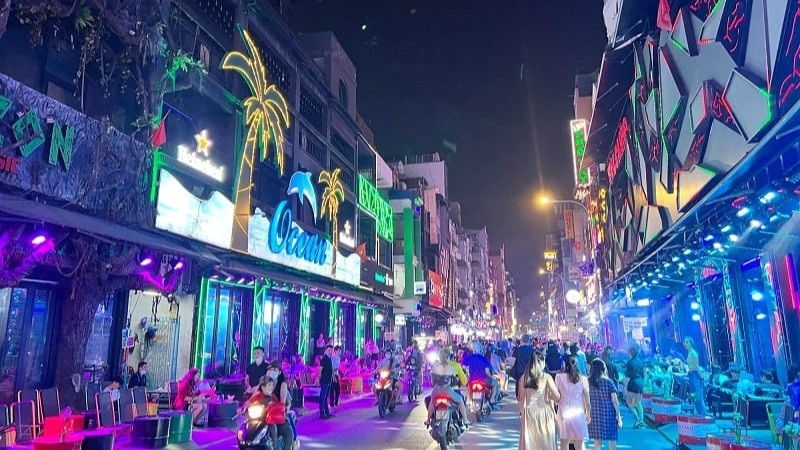
A Comprehensive Look at Culture, Leisure and Consumer Trends
In 2026, Vietnam stands at a distinctive socioeconomic crossroads. Once a country prioritising basic consumption — food, housing, education and healthcare — rising incomes, urbanisation and new cultural aspirations are transforming the way people spend their money. No longer just a developing economy grinding toward the essentials, Vietnam is increasingly a society where experiences — leisure, travel, interactive culture and entertainment — hold growing importance in household budgets and in national economic strategy.
This article explores the full picture of Vietnamese consumer spending on entertainment and leisure in 2026, covering cinema and digital media, cafés and restaurants, domestic and international travel, household budgets relative to average wages, comparisons with rent and utilities, and broader cultural and economic implications.
1. Rising Incomes and Consumer Priorities
Average Wages and Disposable Income
Vietnam’s wage landscape has shifted significantly over the past decade, driven by rapid economic growth, foreign investment and urban expansion. While exact averages vary by region and industry, salaries in major cities such as Hanoi and Ho Chi Minh City are commonly reported in the range of 14–25 million VND per month — approximately US $600–$1 000 — for mid‑career professionals. Entry‑level workers may earn closer to 7–10 million VND (~US $280–400), while minimum wage levels in major urban zones are near 5 million VND (~US $200) a month. This range reflects a labour market that is expanding but remains uneven, with significant differences between sectors and regions.
As real incomes have grown, consumer spending, particularly on services rather than goods, has risen accordingly, driving demand for leisure and entertainment products that were once deemed luxuries.
2. Entertainment as a Growing Market in Vietnam
Vietnam’s entertainment sector — in the narrow sense of music, film, gaming and theatre — is experiencing noticeable growth. Market forecasts estimate that total entertainment sector revenue is expected to reach around US $591 million in 2025, with ongoing annual growth expected through to 2030. User penetration (proportion of the population spending on entertainment services) is projected to exceed 60 % by 2025.
However, the sector’s relative size still trails broader consumer markets like food and beverage — the latter valued at nearly US $27 billion (688.8 trillion VND) in 2024 and expected to grow further — demonstrating the greater economic weight of everyday lifestyle spending.
In 2025 and 2026, economists predict continued expansion of consumer spending across categories — not just entertainment — with household consumption projected to grow by around 6 – 7 % annually, supported by rising incomes and increased disposable resources.
3. Entertainment in the Household Budget: Cinema, Digital, Cultural Events
Cinema and Live Entertainment
Cinema remains one of the most visible metrics of entertainment expansion. Audiences in Vietnam spent record amounts on cinema tickets in recent years, driven by renewed interest post‑pandemic and growing domestic film success. Cinema now acts as both a social ritual and a cultural experience.
Ticket prices, while still lower than many Western markets, are significant relative to local incomes — average prices at local cinemas typically hover between VND 70 000–120 000 (~US $2.80–$4.80).
Film is accompanied by live performances, festivals and exhibitions, which have been attracting increasing attendance — an indication that Vietnamese consumers are allocating more of their discretionary income toward cultural engagement and collective experiences.
Digital and Online Entertainment
Mobile gaming, streaming platforms and digital media consumption represent another fast‑growing dimension of entertainment in Vietnam. With smartphone penetration high across urban and rural populations alike, Vietnamese users spend considerable time on entertainment apps — watch parties, online music, social media content and gaming. Affordable data plans and widespread internet access have made digital entertainment an integral part of daily life.
While precise revenue figures vary by source, it is widely recognised within industry analysis that digital entertainment spending — particularly on mobile games and video content — significantly complements traditional sectors such as cinema and live shows.
4. Leisure Categories Beyond Culture: Cafés, Restaurants and Nightlife
While film and digital platforms are prominent, they form just one part of a much broader leisure landscape. Vietnamese consumers are increasingly allocating funds to dining out, cafés, nightlife and social venues — reflecting changing lifestyles, growing urban youth culture and the blending of consumption with social identity.
Cafés and Coffee Culture
Vietnamese coffee culture is deeply rooted, but in recent years it has morphed into a vibrant social economy. Local cafés range from inexpensive roadside shops to upscale themed venues and international chains. A typical cup of local coffee at a café often costs around US $1–2, while higher‑end venues may charge up to US $3–5.
These cafés serve as social spaces — places for work, meet‑ups, dates and leisure — anchoring everyday entertainment and lifestyle spending for a broad demographic, from students to professionals.
Restaurants and Dining Out
The foodservice sector in Vietnam — one of the largest segments of leisure spending — reached approximately US $22.8 billion in sales in 2022, with continued growth anticipated.
Dining expenses vary widely:
- Local and casual restaurants: meals often range between US$3 and US$8.
- Mid‑range venues: a three‑course dinner for two can cost US $15–30 or more.
- High‑end and themed restaurants: prices rise further, especially in urban centres.
- Bars and nightlife venues: average spending per person is US $20–50 or higher on an evening out.
The diversity of dining options reflects broader societal changes — from everyday sustenance to social expression, date nights, celebration meals, and experiences valued as part of cultural identity.
Nightlife and Urban Leisure
Vietnam’s nightlife scene has evolved rapidly. Once limited to scattered local bars, it now includes rooftop lounges, modern pubs, dance clubs and entertainment centres, particularly in Ho Chi Minh City, Hanoi, Da Nang and coastal cities. According to market reports, young urban consumers — especially millennials and Gen Z — are significant drivers of nightlife spending, often opting for experiential venues that combine music, gastronomy, and social interaction.
The trend reflects a broader “experiential economy” in which people choose unique environments and memorable activities — even if they are costlier — over basic consumption.
5. Travel and Tourism: Domestic and International
Travel occupies a significant place in Vietnamese entertainment spending, with domestic tourism soaring and international travel re‑emerging as a major consumer preference.
Domestic Tourism
Domestic travel has witnessed tremendous growth in recent years, underscored by long holiday periods, expanding middle‑class budgets and improved transportation infrastructure. Key destinations such as Hanoi, Ho Chi Minh City, coastal resorts and cultural regions attract millions of visitors annually.
During major holidays such as National Day, tourist traffic spikes dramatically — e.g. Hanoi welcomed 2.08 million visitors, generating nearly 4.5 trillion VND (~US $170 million) in revenue, nearly double compared to the previous year.
Domestic tourism expenditure — including accommodation, meals, local tours and transport — contributed significantly to total domestic spending in recent years.
International Tourism
International tourism is also making a strong resurgence after the pandemic. In 2023, international tourists spent around US $8.7 billion in Vietnam, with an average spend of about US $692 per visitor.
The Vietnamese government has targeted between 25 and 28 million international visitors by 2025, a figure supported by rising connectivity and visa reforms. Tourism contributes significantly to GDP, and its growth is a key pillar of broader economic development.
International visitors typically spend on a mix of accommodation, food, transport, souvenirs and entertainment. According to industry analysis, food and beverage account for around 30–40 % of this expenditure, reflecting Vietnam’s strong culinary tourism appeal.
Daily expenditures by international visitors often range from US $80 to $140 per day, indicating significant discretionary spending that feeds into restaurants, tours, museums, nightlife, shopping and transport.
6. Entertainment Spending Relative to Housing and Utilities
To grasp how meaningful entertainment spending is for Vietnamese households, it’s useful to compare it to other major living costs like housing and utilities.
Housing Costs
In urban centres such as Ho Chi Minh City and Hanoi:
- Rent for a one‑bedroom apartment typically ranges from roughly US $400 to $700 per month in central areas.
- Outside city centres, rents decrease substantially, but housing remains the largest single monthly expense for most working individuals.
For a single professional earning between US $600 and $1 000 per month, rent alone can absorb a substantial portion of income.
Utilities
Utilities — electricity, water, gas and internet — typically total around US $60–$130 per month for a standard apartment.
Discretionary Spending on Leisure
Comparatively, entertainment and discretionary lifestyle costs are significantly lower:
- Monthly entertainment budgets can range between US $50–$150, depending on lifestyle — covering cinema, casual outings, cafés and light travel.
- Dining out regularly, nightlife and weekend trips can push leisure spending higher, but these costs remain generally lower than rent and utilities in absolute terms.
For a typical urban household, leisure and entertainment might therefore occupy 10–15 % or more of disposable income, depending on personal preferences and income levels.
7. Cultural Trends and Consumer Psychology
Vietnamese consumers are increasingly prioritising experiences over traditional material consumption. Surveys indicate that more than eight out of ten Vietnamese adults consider experiences — entertainment events, travel, fine dining — essential parts of modern life. Spending on such experiences has increased, with entertainment outlays rising faster than some other categories of consumption.
One notable cultural trend is the willingness of Vietnamese consumers, especially urban millennials and Gen Z, to spend more on emotional and social experiences — from concerts, theatre and festivals to curated travel packages — even if this means allocating a larger share of monthly income to intangible pleasures.
8. Challenges and Opportunities
Challenges
Despite growth, the entertainment and cultural industries face challenges:
- Traditional art forms and deeper cultural activities (e.g. classical theatre, fine arts, museum patronage) still struggle to attract younger audiences compared with fast digital content.
- Infrastructure for high‑end leisure tourism and cultural venues is still uneven across the country.
- Economic inequality means that discretionary spending on leisure is often concentrated in urban and higher‑income segments.
Opportunities
The expansion of entertainment spending offers significant opportunities:
- Development of experience‑based services, from boutique travel and luxury tourism to curated cultural events.
- Investments in digital content creation — games, streaming, immersive media — that resonate with both domestic and international audiences.
- Growth of lifestyle economies, cultural industries and creative sectors that contribute to national GDP and brand identity.
9. Looking Ahead: Vietnam’s Entertainment Economy by 2030
All indicators — from rising disposable incomes and improved infrastructure to government support for tourism and cultural sectors — point to sustained growth in entertainment and leisure spending in Vietnam.
Industry forecasts suggest entertainment market revenues will continue to grow toward US $720 million by 2030, while the broader travel and tourism sector could expand from roughly US $17.9 billion in 2024 to over US $42 billion by 2030 at a compound annual growth rate of around 15 %.
This trajectory reflects not only economic expansion but a shift toward experience‑driven consumption, aligning with global trends where cultural, leisure and entertainment industries become core components of quality of life and economic vitality.
Conclusion
Vietnamese consumer spending on entertainment in 2026 is no longer a marginal economic footnote — it is a vibrant, broad‑based force reflecting deeper cultural currents and economic transformations. From cinema and digital media to cafés, restaurants, nightlife, domestic travel and international tourism, entertainment is intertwined with evolving lifestyles, social interaction and national identity.
For the average consumer, entertainment spending remains balanced against core living costs like rent and utilities, yet it commands a meaningful share of discretionary budgets, particularly among younger, urban and affluent segments. For investors and business strategists, the data point to rich opportunities in sectors that combine leisure, culture, experience and social engagement.
Ultimately, the question is not merely how much Vietnamese consumers are spending on entertainment, but what kind of cultural life and economic ecosystem those expenditures are helping to build — a society where leisure, community, creativity and experience are central to how people live, work and connect in the 21st century.
References
Asian Development Bank. (2024). Asian development outlook: Vietnam. https://www.adb.org
Bain & Company. (2024). Southeast Asia digital consumer trends. https://www.bain.com
DataReportal. (2025). Digital 2025: Vietnam. https://datareportal.com/reports/digital-2025-vietnam
Euromonitor International. (2024). Consumer foodservice in Vietnam. https://www.euromonitor.com
Expatistan. (2025). Cost of living in Ho Chi Minh City. https://www.expatistan.com
General Statistics Office of Vietnam. (2024). Statistical Yearbook of Vietnam 2023. Statistical Publishing House.
General Statistics Office of Vietnam. (2024). Tourism statistics. https://www.gso.gov.vn
Google, Temasek, & Bain & Company. (2024). e-Conomy SEA 2024 report. https://economysea.withgoogle.com
International Labour Organization. (2023). Vietnam labour market update 2023. https://www.ilo.org
International Monetary Fund. (2024). Vietnam country report. https://www.imf.org
McKinsey & Company. (2023). The evolving Vietnamese consumer. https://www.mckinsey.com
Motion Picture Association. (2023). Theme report: Asia Pacific. https://www.motionpictures.org
NielsenIQ. (2024). Vietnam Consumer Outlook Report. https://nielseniq.com
Numbeo. (2025). Cost of living in Vietnam. https://www.numbeo.com
PwC. (2024). Global entertainment & media outlook 2024–2028. https://www.pwc.com
Statista. (2024). Foodservice market revenue in Vietnam. https://www.statista.com
Statista. (2025). Box office revenue in Vietnam. https://www.statista.com
Statista. (2025). Entertainment market revenue in Vietnam. https://www.statista.com
Trading Economics. (2025). Vietnam’s average monthly salary. https://tradingeconomics.com/vietnam/wages
UNWTO (World Tourism Organization). (2024). International tourism highlights. https://www.unwto.org
Vietnam National Administration of Tourism. (2024). Annual tourism report 2023. https://vietnamtourism.gov.vn
World Bank. (2024). Vietnam macro poverty outlook. https://www.worldbank.org
World Travel & Tourism Council. (2024). Vietnam travel & tourism economic impact 2024. https://wttc.org